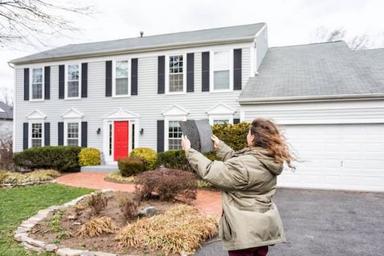



If you’re thinking of selling your home in the next few weeks or months, making minor improvements before going to market can help you get the best price.

Arranging your furniture and accessories is one of the simplest and most effective ways to stage your home for sale. Arranging your furniture and accessories can create a sense of space, flow, and function in your rooms. It can also showcase your home’s best features and create a welcoming atmosphere for buyers. Here’s a surprisingly simple arrangement that home buyers love and how to implement it in your living room.

As you begin to prepare your home for sale, staging every square inch of your home can seem like a challenge, especially if you’re concerned about your budget and time. By focusing first on the most important areas to stage for a home sale you can impress buyers and maximize your budget while keeping your expenses down.
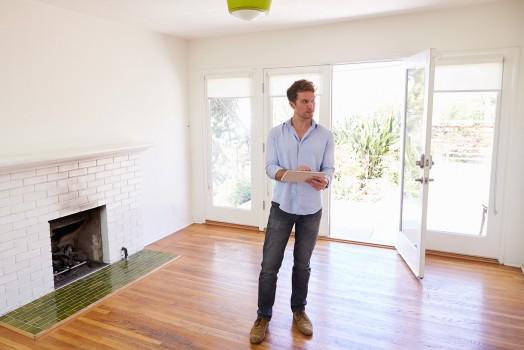
Are you trying to decide what to do with a home while going through a divorce? This can be a stressful situation, but these tips should help.

It’s hard to believe fall is already here. As the seasons change so does the real estate market and it’s important to embrace these changes throughout your home to capture every buyer opportunity before the winter slump. If you’re looking to sell your home before year’s end, follow these simple exterior and interior tips to stage your home for the fall season.

These simple tips for staging your home for fall will help home buyers fall even more in love with your house.

As a home stager, the number one question I’m asked on a daily basis is, “How much will it cost to stage my home?” While every home is unique and the cost depends on how much it takes to get your home “show ready”, the truth is that you can’t afford not to stage your home. Here’s why.

Spring is the peak season for home selling, as more buyers are looking for a new place to call home. If you want to sell your home this spring, you need to prepare it well and make it stand out from the competition. Here are five steps to prep your home for the selling season and attract more offers.

By overcoming these home staging myths you can make your home more appealing to buyers, which will help you sell faster and closer to the price you want.

Home tours are one of the most effective ways to showcase your home to potential buyers and generate interest and offers. Home tours usually take place during regular business hours or weekends, when most buyers are available and willing to visit homes. But sometimes, you may need to take home tours during off-hours, such as evenings or holidays, due to various reasons, such as buyer availability, market conditions, or personal convenience. Here’s a guide on how to take home tours during off-hours and what tips to follow.

If you find that you’re making these home selling mistakes, don’t fret. There are plenty of things you can do to overcome these common obstacles.
Words are powerful tools that can influence buyers’ perception of your home and their decision to buy it. Words can create a positive or negative impression, evoke emotions, and trigger actions. You want to use words that sell when you are writing your listing description, marketing materials, or communication with buyers. Words that sell are words that highlight your home’s best features, benefits, and value. Here are some examples of words that sell and how to use them.
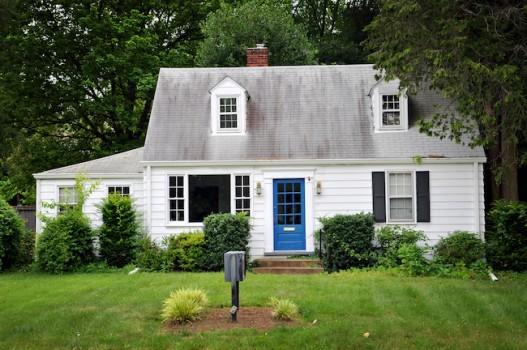
Want to sell your for sale by owner home quickly and for the highest price? Learn how to navigate the world of buyer’s agents.

Decided to sell your house for sale by owner (FSBO)? While selling your home on your own can save you a ton of dough in the right circumstances, it also can be incredibly overwhelming at times. Here are some ways to stay organized, relieve stress and come through the process successfully.
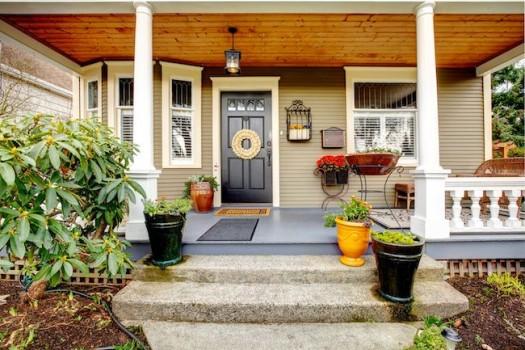
Selling your home FSBO can be a great way to save money if done properly. Here are seven reasons why people fail when listing their home FSBO and how to avoid making these mistakes yourself.

Once you learn the reality about these common myths, the process of selling your home becomes simpler and more financially rewarding. Here are the top five myths about by-owner home sales.

Selling your home for sale by owner doesn’t need to be tricky. Here are the steps and tips for selling your home without a real estate agent.
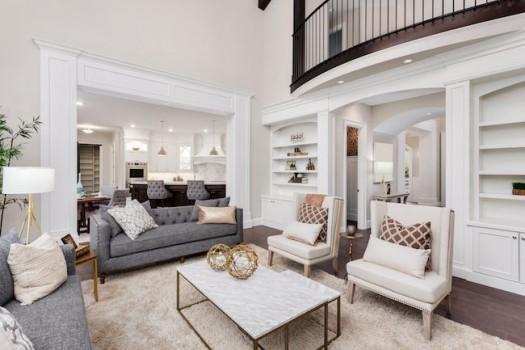
Pricing your house correctly is one of the most important steps in selling your house. Pricing your house too high or too low can have negative consequences for your sale, such as losing money, time, or buyers. You want to price your house to sell quickly and for the best price possible, but how do you do that? Here are some tips on how to price your house to sell and what factors to consider.

Seven easy tasks that add up to a successful home sale

Negotiating house price is one of the most crucial and challenging aspects of buying or selling a home. Negotiating house price can help you get the best deal possible, whether you are a buyer or a seller. But negotiating house price also requires some skills, strategies, and tactics that can make or break the deal. Here’s the ultimate guide to negotiating house price that covers everything you need to know from preparation to closing.

Selling your home can be a stressful and time-consuming process, especially if you have to deal with repairs, renovations, or upgrades. But sometimes, all you need are some quick fixes that can make your home sell faster and for more money. Quick fixes are easy, inexpensive, and effective ways to improve your home’s appearance, functionality, and appeal. Here are some quick fixes that make your home sell faster and why they work.

An important element that FSBO sellers often misunderstand is the difference between having a mortgage “prequalification” or a “preapproval.” Let’s dig into what these two words mean.
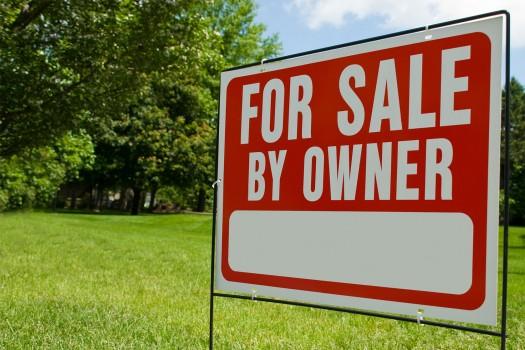
Selling land without a real estate agent, called selling land by owner, can be a challenge. But with a little research and work, you can save quite a bit of money. And for many, the cost savings is worth it.

With the sale of your home often hinging on the quality of your photos, it’s important you take the necessary steps to produce high-quality, professional-looking photos for your listing. This guide will help you create the kind of listing photos that will help your home stand out amongst the rest.

The day has come to show buyers just how great your home is. Use these tips to have a successful open house or showing.

Staging an entire home is expensive, but luckily, there are a few options that won’t break the bank. Here are some solutions for staging an empty home. These tricks will make buyers feel comfortable in your abode and may inspire them to envision the space as their own.
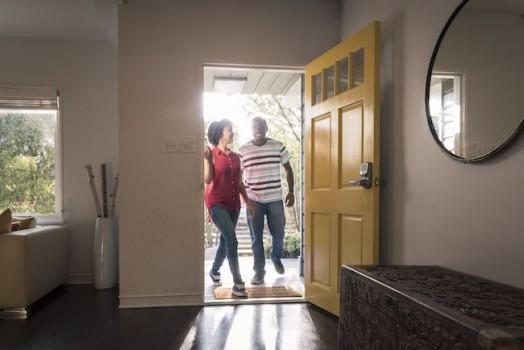
Like with any decision in life, it’s important to weigh the pros and cons of having an open house. Here are a few things to consider when deciding if an open house is right for your property.
With a little knowledge and a strong real estate marketing plan, selling your own home can be a very manageable task.

Selling your home can be complex, but the more you know, the easier it will be. Being aware of the Fair Housing Act real estate provisions can help you avoid unintentional discrimination. Here is what you need to know about the FHA.
Selling your home on ForSaleByOwner.com is a smart move that can save you thousands of dollars in commissions. But what do you do with the money you save? How do you make your ForSaleByOwner savings go far? Here are some ideas on how to use your ForSaleByOwner savings wisely and effectively.

Selling your own home can be a lot of work, but the savings could be worth it. Like all major decisions, there are advantages and disadvantages to bypassing a real estate agent and striking it out on your own. Here are some aspects to consider when deciding if selling your own home is the right choice for you.

Selling your home during the holidays can be a rewarding and profitable experience, as you can take advantage of less competition, more motivated buyers, and more opportunities to showcase your home’s charm and coziness. But selling your home during the holidays can also be stressful and challenging, as you have to balance the demands of the selling process with the demands of the holiday season. Here are some tips on how to have happy holidays as you sell your home and avoid some common pitfalls.

Staging your home can make it sell faster and for a higher price. Check out these home staging tips and find out which rooms are the most important to stage.

The real estate photography you take is the first impression buyers will likely have of your home. Here are 10 tips to help get your house noticed.
Many sellers wonder if there is a best time of year to sell their home. The answer is not so simple, as different factors can affect the timing of selling a home, such as market conditions, supply and demand, buyer preferences, seasonality, location, and personal circumstances. Here’s how to determine if there is a best time of year to sell your home and what advantages and disadvantages each season can offer.

Keeping a home in show-ready condition with kids can seem tough, but with a bit of organization your home will be ready for house hunters even at a moment’s notice.

Home staging is the art of preparing your home for sale by making it look attractive, spacious, and inviting to potential buyers. Home staging can help you sell your home faster and for more money, as it can create a positive impression and highlight your home’s best features. But home staging can also backfire if you make some common mistakes that can lead to deal-killing criticisms from buyers. Here are some expert home staging tips on how to avoid these criticisms and make your home shine.
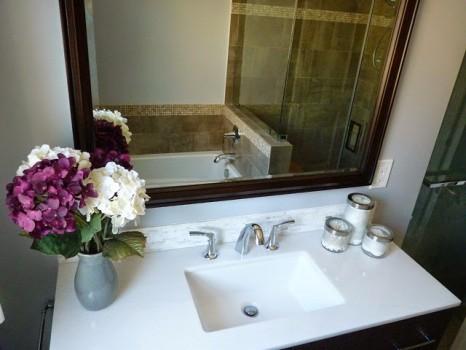
Keeping your home clean is one of the most basic and essential home staging tips. A clean home can make a huge difference in how buyers perceive your home and how they feel about it. A clean home can make your home look bigger, brighter, and more appealing. A dirty home can make your home look smaller, darker, and less appealing. Here’s why keeping your home clean is important and how to do it properly.

Getting an accurate valuation of your home is one of the most important steps in selling your home. An accurate valuation can help you price your home correctly, attract more buyers, and negotiate better terms. An inaccurate valuation can lead to overpricing or underpricing your home, which can result in losing money, time, or opportunities. In part 1 of this series, we discussed some of the methods and tools you can use to get an accurate valuation of your home. In part 2, we will discuss some of the factors and variables that can affect your home’s value and how to account for them.

Selling your home can be a stressful and emotional experience, especially if you are doing it for the first time. You want to sell your home quickly and for the best price possible, but you also want to avoid making any mistakes that can cost you money, time, or opportunities. The biggest mistake home sellers make is overpricing their home, which can have negative consequences for the entire selling process. Here’s why overpricing your home is the biggest mistake you can make and how to avoid it.

Home staging is the art of preparing your home for sale by making it look attractive, spacious, and inviting to potential buyers. Home staging can help you sell your home faster and for more money, as it can create a positive impression and highlight your home’s best features. But home staging doesn’t have to be expensive or complicated. You can do some DIY home staging projects that are easy, affordable, and effective. Here are six DIY home staging projects for any budget.

Between contract signing and closing day, there isn’t time for a home seller to slack off. Follow this five step how-to guide to keep your closing on track.
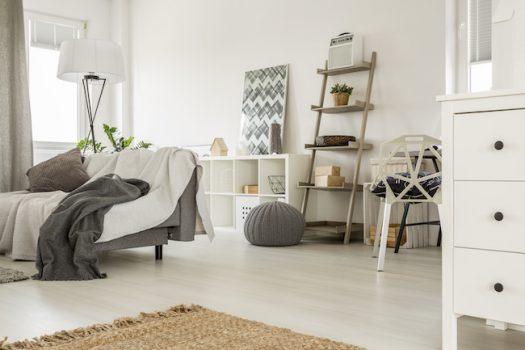
A lot goes into selling your home on your own. Here are some tips to market your home and sell it for sale by owner.

It’s crucial to reach as many potential buyers as possible, especially when you’re selling FSBO. Read on to learn about how you can get more buyers to view your home.

If you are selling your home for sale by owner, here is what you need to know after you find a home buyer.

Escrow has two different, distinct operations, one before you finalize buying a home and one after you get a mortgage.
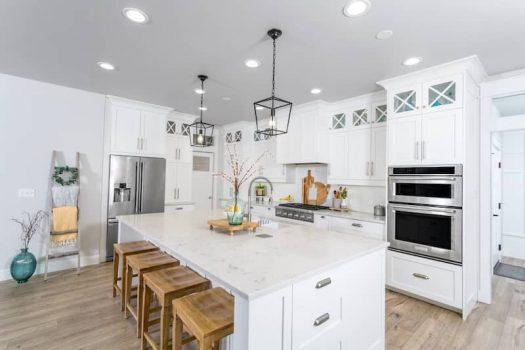
The kitchen is the heart of the house, and home buyers will be looking at the kitchen’s style and layout when house hunting. Here are some kitchen trend ideas that will have your house stand out.
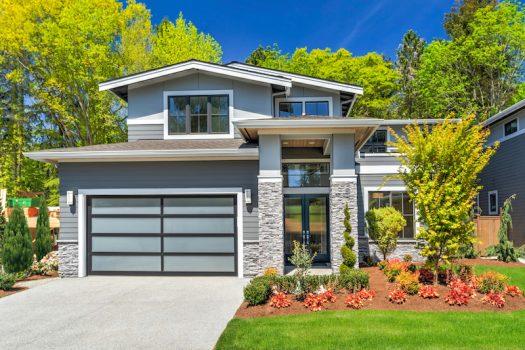
With most potential buyers scouring online real estate postings, there are a few ways you can showcase your home and win buyers over through a few marketing strategies.

Selecting the right property for investment is one of the most important steps in real estate investing. The right property can offer you high returns, low risks, and steady cash flow. The wrong property can cost you money, time, and headaches. You need to know how to select the right property for investment and what criteria to use. Here are some factors to consider when selecting the right property for investment.

Short sales are properties that are sold for less than the amount owed on the mortgage. Short sales can offer great deals for buyers who are looking for discounts, equity, and opportunities. But short sales also come with some complexities, uncertainties, and delays that require patience, diligence, and expertise. Here are four things buyers must do when buying short sales and why they are essential.

Foundation cracks are one of the most common and serious problems that can affect your home. Foundation cracks can indicate structural damage, water intrusion, soil movement, or pest infestation. Foundation cracks can also lower the value of your home and scare away potential buyers. Here’s how cracks in your foundation can derail a home sale and what you can do to fix them.

Investment properties are properties that you buy with the intention of generating income, either through renting, flipping, or holding. Investment properties can be a great way to build wealth and achieve financial freedom, but they also come with risks and challenges. You need to know what to look for in an investment property and how to evaluate its potential and profitability. Here are five things to look for in an investment property and why they matter.
Negotiating house price is one of the most crucial and challenging aspects of buying or selling a home. Negotiating house price can help you get the best deal possible, whether you are a buyer or a seller. But negotiating house price also requires some skills, strategies, and tactics that can make or break the deal. Here’s the ultimate guide to negotiating house price that covers everything you need to know from preparation to closing.
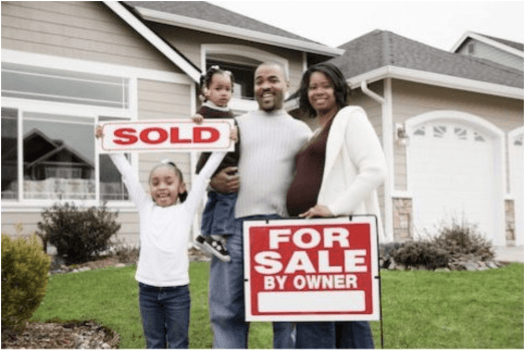
Buying a home for sale by owner (FSBO) means buying a home directly from the seller without involving any agents or brokers. Buying a home for sale by owner can offer you some advantages, such as saving money on commissions, having more control over the deal, and dealing with motivated sellers. But buying a home for sale by owner also comes with some challenges, such as doing more research, paperwork, and negotiation. Here are some tips on how to buy a home for sale by owner and what steps to take.

Fixing and flipping properties is one of the most popular and profitable ways to invest in real estate. Fixing and flipping properties involves buying a distressed or undervalued property, renovating it, and selling it for a profit. But finding a fix and flip investment property is not easy, as you need to consider many factors, such as location, condition, price, and potential. Here are some tips on how to find a fix and flip investment property and what to look for.
Foreclosures and short sales are homes that are sold by the lender or the owner for less than the amount owed on the mortgage. They can offer great deals for buyers, but they also come with some risks and challenges.

Buying a home is a big decision that involves many details, factors, and considerations. You need to ask the right questions to make sure you are getting the best deal, the best fit, and the best value for your money. But sometimes, home buyers forget to ask some key questions that can affect their satisfaction and success. Here are five key questions home buyers forget to ask and why they are important.

A neighborhood is more than just a location. It’s a community, a lifestyle, a vibe. A neighborhood can affect your quality of life, your happiness, and your property value. That’s why you need to evaluate a neighborhood before you buy a home in it. You need to know what makes a neighborhood desirable or undesirable and what factors to consider when evaluating a neighborhood. Here are five ways to evaluate a neighborhood and why they matter.
Renting or buying a home is one of the biggest financial decisions you’ll ever make. But how do you know which option is best for you? There are many factors to consider, such as affordability, flexibility, stability, maintenance, and taxes. Here are five tiebreaking factors that can help you make the right choice.
Every seller pays for a real estate attorney and title company whether they sell a house with an agent or FSBO. Hire a lawyer to protect your home sale and title company to coordinate the paperwork.

What is title insurance and why do you need it? Here’s how this obscure type of coverage works, why it’s important to have and how to find the right policy.

When getting ready to buy a house, make sure you tour a home to get a feel for it and make sure it is the right home for you. Here are some tips on what to look for, and questions to ask during a home tour.

Rent-to-own homes are properties that allow tenants to rent them for a period of time and then buy them at a predetermined price. This can be a good option for buyers who can’t qualify for a mortgage or don’t have enough money for a down payment.
Mastering Secure FSBO Transactions: Your Guide to Online Safety. Navigate the real estate landscape with confidence, backed by ForSaleByOwner’s expertise. Learn to safeguard your property deals against online abuse and spam. Our comprehensive insights empower you to ensure secure and successful transactions. Elevate your FSBO experience today.

Why dealing directly with homeowners is just as easy as buying a house with a real estate agent and cheaper for buyers, too
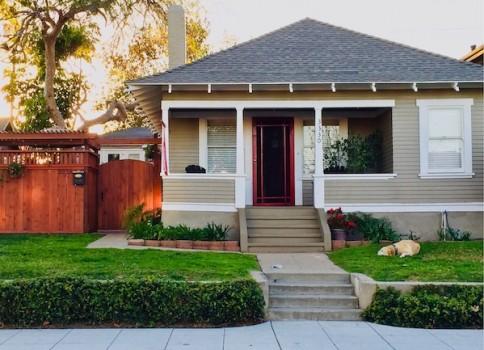
Explore this guide on short sales for both buyers and sellers. Uncover the process, benefits, and navigate the complexities of these unique real estate transactions confidently.
Buying a home directly from a for sale by owner seller — whether you use an agent or not — can be a very rewarding experience. Just be sure to do your homework first.

You know what it looks like. You know the size of the master suite, which appliances fill the kitchen, and how the deck looks on a summer morning. It’s your dream home and it’s out there waiting for you.

Understand the dynamics of buying or selling a home during peak real estate season. This article offers advice on navigating a hot market and timing your transaction effectively.

Real estate disclosures are statements that inform buyers about the condition, history, and defects of a property. Real estate disclosures are required by law in most states and can protect sellers from legal liability and lawsuits. Real estate disclosures can also affect the price, negotiation, and inspection of a property. Here are some things you should know about real estate disclosures and what they include.
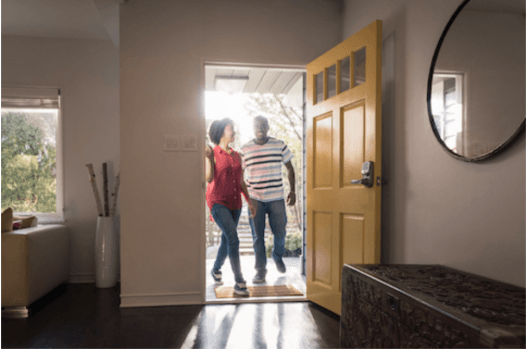
A final walk-through is the last inspection of the property before closing the deal. A final walk-through is an opportunity for the buyer to verify that the property is in the same condition as agreed upon in the contract, that all repairs have been completed, that all items have been removed or left behind as agreed upon, and that no new issues have arisen since the last inspection. Here are eight things to look at when doing your final walk-through and what to do if you find any problems.

Buying a new home while selling your current house can be a tricky and stressful situation. You need to find a way to finance your new home purchase without relying on the sale of your current house, which can be unpredictable and time-consuming. You also need to avoid paying two mortgages at the same time, which can strain your budget and cash flow. Here are some options on how to finance a new home purchase while selling your current house and what pros and cons they have.

Moving during the holidays can be a daunting and hectic experience, as you have to deal with packing, transporting, unpacking, and settling in your new home while also celebrating the festive season. But moving during the holidays can also be a wonderful time of the year, as you can enjoy the spirit of the holidays, make new memories, and start fresh in your new home. Here are some tips on how to make moving during the holidays the most wonderful time of the year.

Finding a job is one of the most common reasons why people move to a new city. Finding a job in a new city can offer you more opportunities, income, and satisfaction, but it can also be challenging, competitive, and stressful. You want to find a city that has a strong job market, a low cost of living, and a high quality of life. Here are some of the best cities for jobs in the US and what they have to offer.

Buying a house that is for sale by owner (FSBO) means buying a house directly from the seller without involving any agents or brokers. Buying a house that is FSBO can offer you some advantages, such as saving money on commissions, having more control over the deal, and dealing with motivated sellers. But buying a house that is FSBO also comes with some challenges, such as doing more research, paperwork, and negotiation. Here are some tips on how to buy a house that is FSBO and what steps to take.

Buying a house is one of the most exciting and rewarding experiences you will ever have. But it can also be expensive, especially if you don’t account for all the costs involved. Besides the purchase price, there are many hidden costs of buying a house that can add up quickly and surprise you if you are not prepared. Here are six hidden costs of buying a house that you should know about and budget for.
Getting a mortgage is one of the most important financial decisions you will ever make. Getting the best mortgage rate can save you thousands of dollars over the life of the loan and make your monthly payments more affordable. But how do you get the best mortgage rate? Here are some tips and strategies on how to get the best mortgage rate and what factors influence it.
Your home is your biggest investment and you want to protect it from any damage or deterioration. But sometimes, small signs can indicate bigger issues that could affect your home’s condition and value in the future. You need to be aware of these small signs and take action before they become major problems. Here are some of the small signs your home could have bigger issues in the future and what to do about them.

Buying a home is one of the most exciting and rewarding experiences you will ever have. But it can also be daunting, stressful, and overwhelming, especially if you are doing it for the first time. You need to know what to expect, what to do, and what to avoid when buying a home. Here are some tips for first-time buyers that can help you navigate the home buying process and make it easier and smoother.

Dogs are more than just pets; they are family members. More and more buyers are looking for homes that can accommodate their furry friends and their needs. Dog-friendly homes present new opportunities for sellers who want to appeal to this growing market segment and differentiate their homes from the competition. Here’s what makes a home dog-friendly and how to market it to dog lovers.

Location is one of the most important factors that affect the value and appeal of your home. One of the aspects of location that buyers consider is the proximity to public transportation. Being close to public transportation can help sell your home faster and for more money, as it can offer convenience, savings, and environmental benefits to buyers. Here’s how location close to public transportation can help sell your home and what to highlight in your listing.
Due diligence is the process of investigating and verifying the details of a property before you buy it. Due diligence can help you avoid costly mistakes, legal issues, and unpleasant surprises. Due diligence can also help you negotiate better terms, conditions, and price for your purchase. But how do you perform due diligence and what steps should you take? Here are 10 steps to take before you buy a property and why they are important.
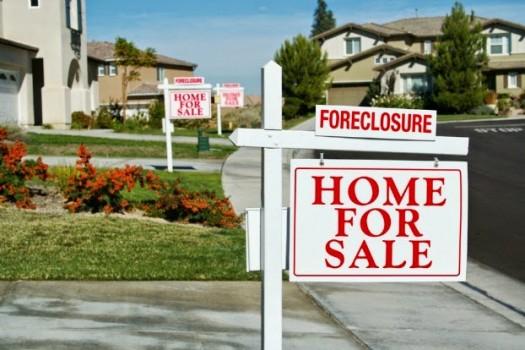
Foreclosures are properties that have been repossessed by the lender due to the borrower’s failure to pay the mortgage. Foreclosures can offer great opportunities for buyers who are looking for bargains, discounts, and equity. But buying foreclosures also comes with some risks and challenges that require careful research, planning, and patience. Here’s how to buy foreclosures in any market and what to watch out for.
When it comes to unique homes, a good appraisal is crucial. It’s important to choose an appraiser who will take into consideration all the special qualities of your property. In the blog post “There’s An Appraisal For That” on ForSaleByOwner.com, you can learn about how to ensure that your appraisal accurately reflects the value of your unique home. Discover how to find an appraiser who will consider all the characteristics that make your property stand out.
Estimating the value of a unique home can be challenging in today’s volatile real estate market. ForSaleByOwner.com offers homeowners a range of tools to help accurately assess the worth of their one-of-a-kind properties. Learn how to use these resources to determine what your home would fetch if you were to sell it today.

Termites are tiny insects that can cause big damage to your home. They can eat away the wood, compromise the structure, and lower the value of your property. That’s why termite inspection is a vital step for buyers who want to avoid costly repairs and surprises. Here’s what you need to know about termite inspection and how to protect yourself from termite infestation.

Getting a mortgage is a big step in buying a home. But how do you get the best deal and avoid common pitfalls? You need to follow the golden rules of mortgage lending, such as shopping around, comparing rates and fees, checking your credit score, and getting pre-approved. Here are some golden rules of mortgage lending that can help you secure a loan and save money.
Mortgage lenders use a special type of credit score called the FICO to gauge your credit worthiness. The FICO score is made up of five components: payment history, amount of debt, length of credit history, types of credit used, and new credit inquiries. Learn how to manage each component that goes into it and improve your chances of getting approved for a mortgage.
Your credit score is a key factor in determining whether you qualify for a mortgage and what interest rate you’ll pay. The higher your credit score, the better your chances of getting a good deal on your home loan. But how do you boost your credit score and make yourself more attractive to lenders? Here are some tips on how to whip your credit score into shape.
Your credit report is a record of your credit history and activity. It contains information about your loans, payments, debts, and inquiries. But sometimes, your credit report may contain errors or inaccuracies that can lower your credit score and hurt your chances of getting approved for credit. Here’s how to get your credit report corrected and protect your credit reputation.
Disclosures are legal documents that reveal important information about a property’s condition, history, and defects. They protect both buyers and sellers from lawsuits and disputes. But what exactly do you need to disclose, and how do you do it properly? Find out in this article.

Home inspections are crucial for buyers and sellers alike, but they are not foolproof. Learn about five common issues that home inspectors may overlook, and how to avoid costly surprises down the road.

Demystifying Title Agencies: Your Key to Seamless Selling! Curious about the role of title agencies in FSBO transactions? This insightful article uncovers their indispensable role in your home selling journey. From navigating legal intricacies to ensuring airtight transactions, discover how title agencies empower For Sale By Owner sellers with confidence and expertise. Explore the ins and outs of this crucial partnership for a successful property sale.
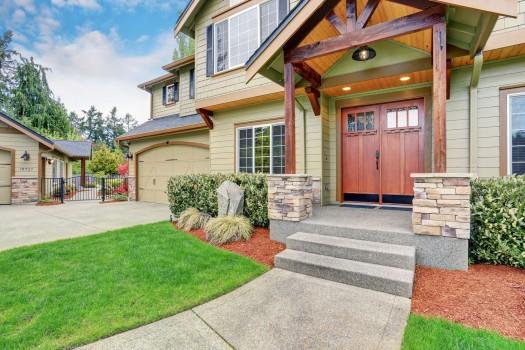
Know what to expect when you get a home inspection on your house when you are selling for sale by owner.

VA home loans offer veterans significant benefits when buying a home: they can negotiate their interest rate, reduce or finance some closing costs and don’t have mortgage insurance premiums. We’re sharing the ways these loans can help veterans afford the homes of their dreams.
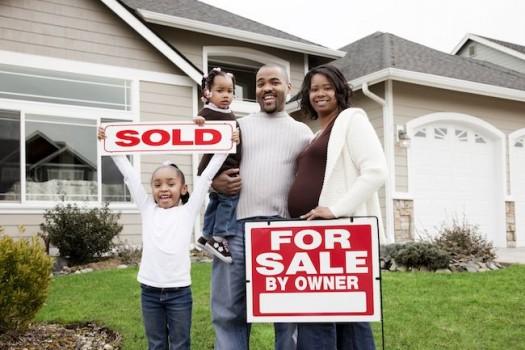
In a hot real estate market, you might find more sellers going it themselves and doing what’s called a for sale by owner sale (commonly known as a FSBO). Here’s everything you need to know about how to buy a FSBO home.
Selecting the right property for investment is one of the most important steps in real estate investing. The right property can offer you high returns, low risks, and steady cash flow. The wrong property can cost you money, time, and headaches. You need to know how to select the right property for investment and what criteria to use. Here are some factors to consider when selecting the right property for investment.

Real estate investing is one of the most popular and profitable ways to generate income and build wealth. Real estate investing can offer you cash flow, tax benefits, appreciation, leverage, and diversification. But real estate investing also comes with some learning curves, risks, and challenges that require knowledge, skills, and tools. Here are some of the top 5 mistakes first-time real estate investors make and how to avoid them.
Investment properties are properties that you buy with the intention of generating income, either through renting, flipping, or holding. Investment properties can be a great way to build wealth and achieve financial freedom, but they also come with risks and challenges. You need to know what to look for in an investment property and how to evaluate its potential and profitability. Here are five things to look for in an investment property and why they matter.

FSBO stands for For Sale By Owner, which means selling your home without using a real estate agent or broker. FSBO can save you thousands of dollars in commissions and give you more control over the selling process. FSBO is becoming more popular and common across the US, but some states have more FSBO activity than others. Here are the top FSBO states in 2020 based on data from ForSaleByOwner.com and what they reveal about the FSBO market.
Fixing and flipping properties is one of the most popular and profitable ways to invest in real estate. Fixing and flipping properties involves buying a distressed or undervalued property, renovating it, and selling it for a profit. But finding a fix and flip investment property is not easy, as you need to consider many factors, such as location, condition, price, and potential. Here are some tips on how to find a fix and flip investment property and what to look for.

Millennials, who are currently in their prime working age and possess significant purchasing power, are increasingly interested in real estate investing. They view it as a means to achieve financial independence, passive income, and long-term wealth. But how can millennials realize their dream of making millions in real estate? Here are some tips and strategies on how millennials can achieve success in real estate investing.

What do home buyers want in their dream home? What features make them fall in love with a property and make an offer? Knowing the answer to these questions can help you sell your home faster and for more money, as you can highlight the features that buyers are looking for and make your home more desirable. Here are some of the most desirable features for home buyers revealed by surveys and studies.
A neighborhood is more than just a location. It’s a community, a lifestyle, a vibe. A neighborhood can affect your quality of life, your happiness, and your property value. That’s why you need to evaluate a neighborhood before you buy a home in it. You need to know what makes a neighborhood desirable or undesirable and what factors to consider when evaluating a neighborhood. Here are five ways to evaluate a neighborhood and why they matter.
Renting or buying a home is one of the biggest financial decisions you’ll ever make. But how do you know which option is best for you? There are many factors to consider, such as affordability, flexibility, stability, maintenance, and taxes. Here are five tiebreaking factors that can help you make the right choice.
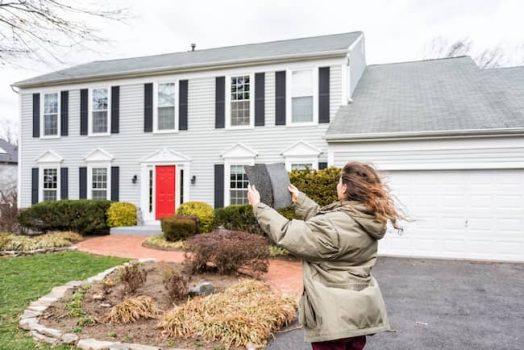
Real estate investing is a popular way to generate income and build wealth. But there are different strategies for real estate investing, each with its own advantages and disadvantages.
Understand the dynamics of buying or selling a home during peak real estate season. This article offers advice on navigating a hot market and timing your transaction effectively.
Finding a job is one of the most common reasons why people move to a new city. Finding a job in a new city can offer you more opportunities, income, and satisfaction, but it can also be challenging, competitive, and stressful. You want to find a city that has a strong job market, a low cost of living, and a high quality of life. Here are some of the best cities for jobs in the US and what they have to offer.

Financing is one of the most important aspects of real estate investing. Financing can determine how much money you need to invest, how much cash flow you can generate, how much risk you can take, and how much profit you can make. You need to know how to get the best financing for your real estate deals and what options are available to you. Here are some tips and sources on how real estate investors get the best financing.
Foreclosures are properties that have been repossessed by the lender due to the borrower’s failure to pay the mortgage. Foreclosures can offer great opportunities for buyers who are looking for bargains, discounts, and equity. But buying foreclosures also comes with some risks and challenges that require careful research, planning, and patience. Here’s how to buy foreclosures in any market and what to watch out for.
Understanding the value of an older, smaller home can be a challenge. But with the right tools and strategies, it’s possible to accurately estimate the worth of a little bungalow. Learn how one homeowner used ForSaleByOwner.com’s range of resources, from sales records to computerized valuation reports, to correctly assess their home’s value and understand their investment.

Creating an inviting space is one of the best ways to attract buyers to your home and make them feel comfortable and welcome. An inviting space is a space that is clean, cozy, and appealing. An inviting space can also showcase your home’s personality, style, and charm. Here are some tips on how to create an inviting space in your home and what elements to include.

Home buyers are looking for a house that stands out to them and that they want to make theirs. These eco-friendly home improvements will not only help your home be energy efficient, but will also catch the eyes of potential home buyers.

Here are some ideas for smart, eco features you can add to your home to turn it into the dream house for today’s buyer.

Everything changes when the baby comes. The joy of becoming three is something no parent can truly prepare for. That doesn’t mean you shouldn’t prepare for when the baby arrives. To achieve true household harmony you need to start getting ready. From making room for your brand-new baby and his or her things to finding calm during a tantrum now is the time to prepare.
Arranging your furniture and accessories is one of the simplest and most effective ways to stage your home for sale. Arranging your furniture and accessories can create a sense of space, flow, and function in your rooms. It can also showcase your home’s best features and create a welcoming atmosphere for buyers. Here’s a surprisingly simple arrangement that home buyers love and how to implement it in your living room.
Foundation cracks are one of the most common and serious problems that can affect your home. Foundation cracks can indicate structural damage, water intrusion, soil movement, or pest infestation. Foundation cracks can also lower the value of your home and scare away potential buyers. Here’s how cracks in your foundation can derail a home sale and what you can do to fix them.

Keep your coverage level high and your home insurance rates low with these five money-saving tips.
Home equity is the difference between the market value of your home and the amount you owe on your mortgage. Home equity is one of the most valuable assets you can have as a homeowner, as it can offer you financial security, flexibility, and opportunities. But how do you build and understand home equity? Here are some tips on how to build and understand home equity and what benefits it can offer.

Having a backyard is a great way to enjoy nature, relax, and entertain. But having a backyard also comes with some environmental responsibilities and challenges. You want to make your backyard more sustainable and eco-friendly, without compromising its beauty and functionality. Here are some conservation tips for a sustainable backyard that can help you save water, energy, and money.
Selling your home on ForSaleByOwner.com is a smart move that can save you thousands of dollars in commissions. But what do you do with the money you save? How do you make your ForSaleByOwner savings go far? Here are some ideas on how to use your ForSaleByOwner savings wisely and effectively.
Home staging is the art of preparing your home for sale by making it look attractive, spacious, and inviting to potential buyers. Home staging can help you sell your home faster and for more money, as it can create a positive impression and highlight your home’s best features. But home staging doesn’t have to be expensive or complicated. You can do some DIY home staging projects that are easy, affordable, and effective. Here are six DIY home staging projects for any budget.
Rental properties are properties that you buy with the intention of renting them out to tenants and generating income. Rental properties can be a great source of passive income, tax benefits, and appreciation, but they also require some management, maintenance, and expenses. You need to know how to maximize your returns on rental properties and make them more profitable and efficient. Here are some tips and methods on how to maximize your returns on rental properties.
A neighborhood is more than just a location. It’s a community, a lifestyle, a vibe. A neighborhood can affect your quality of life, your happiness, and your property value. That’s why you need to evaluate a neighborhood before you buy a home in it. You need to know what makes a neighborhood desirable or undesirable and what factors to consider when evaluating a neighborhood. Here are five ways to evaluate a neighborhood and why they matter.
Renting or buying a home is one of the biggest financial decisions you’ll ever make. But how do you know which option is best for you? There are many factors to consider, such as affordability, flexibility, stability, maintenance, and taxes. Here are five tiebreaking factors that can help you make the right choice.
The kitchen is the heart of the house, and home buyers will be looking at the kitchen’s style and layout when house hunting. Here are some kitchen trend ideas that will have your house stand out.
What if your house burned down and you lost everything? How would you prove what you owned to your insurance company? A home inventory can help you with that.

Here are the top home improvements to do to your home that will increase your home’s value.

Saving money is always good, and saving energy not only helps the environment, but also helps keep some money in your bank account. Here are some helpful tips to help you save energy and money at home.

Here are four smart tips for how to keep your house closing and moving process quick and easy.
Unleash the power of eco-friendly cleaning with our comprehensive guide. Transform your home into a green haven using simple ingredients like vinegar and baking soda. Learn to make your chrome fixtures sparkle, eliminate odors from drains, and clean toys without harsh chemicals. Dive into a world of sustainable cleaning practices that are not only easy to implement but also remarkably effective.
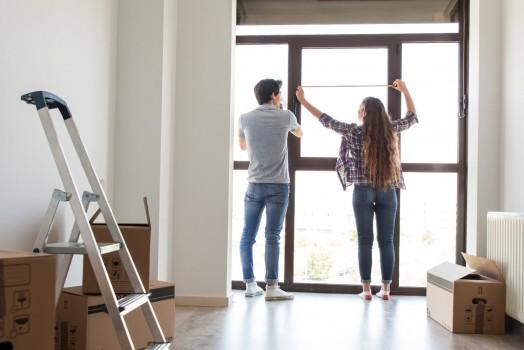
Going green with an eco-friendly with these home renovation tips is not only better for the environment and your living space, but will also help your wallet.

Selling your house during the holiday’s doesn’t have to be a challenge. Here are some tips to show off your home during the holiday season.
If you’re looking for ways to increase the value of your home and make it more appealing to buyers, you might want to consider some home improvement projects. But not all home improvement projects are worth the time, money, and effort. Some can offer a high return on investment, while others can have little or no impact. Here’s an infographic that shows some of the home improvement projects with the biggest payoff and some of the ones to avoid.

Understand the advantages of offering a home warranty when selling your house. This article discusses how it can enhance buyer confidence and expedite the sale.
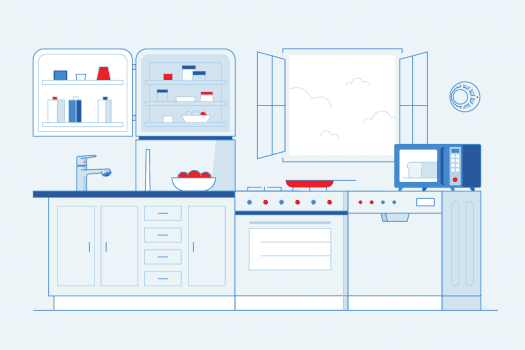
Appliances are essential items that make your home more comfortable, convenient, and functional. Appliances can also be expensive to buy, maintain, and replace. You want to know how long your appliances will last and when you should replace them. Here are some factors that affect appliance life expectancy and some average estimates of how long different appliances last.

Renovations are one of the best ways to improve your home’s value, comfort, and appeal. Renovations can also be costly, time-consuming, and stressful if not done properly. You need to get real about renovations and maximize your home’s value without wasting money or resources. Here are some tips on how to get real about renovations and maximize your home’s value.
Your home is your biggest investment and you want to protect it from any damage or deterioration. But sometimes, small signs can indicate bigger issues that could affect your home’s condition and value in the future. You need to be aware of these small signs and take action before they become major problems. Here are some of the small signs your home could have bigger issues in the future and what to do about them.
Your attic is an important part of your home that can affect its energy efficiency, comfort, safety, and value. But how often do you inspect your attic and check its condition? You should inspect your attic at least once a year or before selling your home to identify any problems or issues that may need attention or repair. Here’s how to inspect your attic from top down.
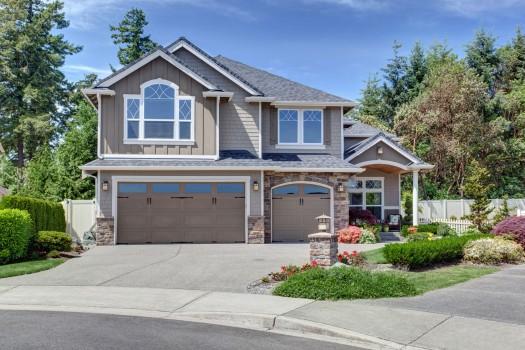
Home equity is the difference between the market value of your home and the amount you owe on your mortgage. Home equity can be a valuable asset that you can use for various purposes, such as paying off debts, making home improvements, or investing in other properties. But do you need home equity? Here are some of the benefits and drawbacks of having home equity and what factors to consider when deciding whether to build or use it.

Home improvements can make your home more comfortable, functional, and attractive. But they can also affect your home’s value and marketability when you want to sell it. Some home improvements can offer a high return on investment, while others can have little or no impact or even lower your home’s value. Here are some of the best and worst improvements if you want to sell your home and what factors to consider when deciding whether to make them or not.
Dogs are more than just pets; they are family members. More and more buyers are looking for homes that can accommodate their furry friends and their needs. Dog-friendly homes present new opportunities for sellers who want to appeal to this growing market segment and differentiate their homes from the competition. Here’s what makes a home dog-friendly and how to market it to dog lovers.

Selling your home on your own can be a rewarding experience. Not only do you get to save on commission fees, but you also get to know potential buyers and show them around your home. This is a great opportunity to ask them to use their imagination and explore the potential of what the home could be for them. Staging can help create a positive impression and highlight your home’s best features, but it doesn’t have to be complicated or expensive. Simple staging tips can work wonders and make buyers’ dreams come true. Here are some tips to help you stage your home and make it stand out from the crowd.

Curb appeal is how your home looks from the street and how it attracts potential buyers. Curb appeal can make or break your home sale, as it can create a positive or negative first impression and influence buyers’ decision. You want to make your home look inviting, well-maintained, and appealing. Here are five steps to stunning curb appeal and how to implement them.

Home improvements can make your home more comfortable, functional, and attractive. But they can also improve your FSBO home sales by increasing its value, marketability, and appeal to buyers. But not all home improvements are created equal. Some can offer a high return on investment, while others can cost more than they are worth. Here are some home improvements that improve FSBO home sales and some that don’t.

Home staging is not only about making your home look good, but also about making it feel good. You need to stage the invisible aspects of your home, such as its smell, sound, temperature, and vibe. These factors can affect the mood and emotions of potential buyers and influence their decision. Here’s how to stage the invisible and create a positive impression.
Ventilation is the process of moving air in and out of your home to improve its indoor air quality, comfort, and energy efficiency. Ventilation can also increase the value of your home by making it healthier, safer, and more appealing to buyers. Here’s how ventilation builds value and how to improve it in your home.
Burglars are always looking for easy targets and opportunities to break into homes and steal valuables. But you can prevent them from targeting your home by taking some simple steps to deter them and secure your property. Here are some prowlwise tips on how to keep burglars away and protect your home.
Learn how to improve your property’s curb appeal now for a more attractive look next spring. Our expert advice helps you upgrade your home’s outdoor appearance, making it more appealing to buyers. Get ready to boost your property’s market appeal with our valuable insights. Explore the article today!
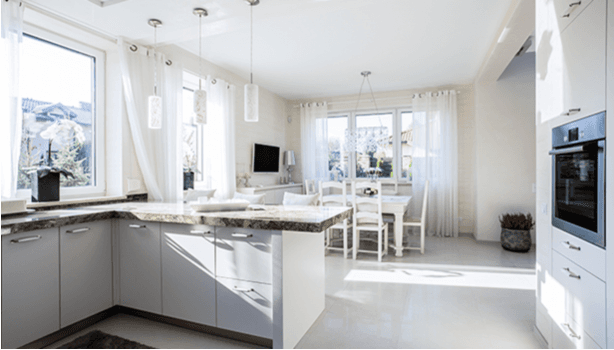
There are a variety of ways you can lighten and brighten your home to create that fresh, clean and modern look that’ll get your house off the market in no time. Below are some great tips to help you out.

While there’s no quick way to thoroughly deep clean your home, following these simple tips and taking a few small steps to regularly tidy up your space will help make spring cleaning a cinch.

Show your home in its best light with these simple and effective staging tips.

Homeowners often try remodeling to increase the market value to sell a house. Avoid potentially costly mistakes, and make home renovations work for you.

Knowing how to calculate the average rate of appreciation on your home can help you receive a great baseline for your asking price.

Helpful tips to keep foreclosure at bay and stay in your home.

Your first step in preparing your home for showings and open houses is assessing what needs to be fixed or upgraded, inside and outside. Getting your home into top shape will go a long way toward a sale that meets your goals.
Take a close look at the inside of your home and repair/make upgrades that buyers will notice. Here are five tips to help you along the way.

Debating whether to move to a larger home to meet the needs of your growing family can be a complicated choice. Before deciding, keep reading to help determine if now is the time to upsize your home or stay put.
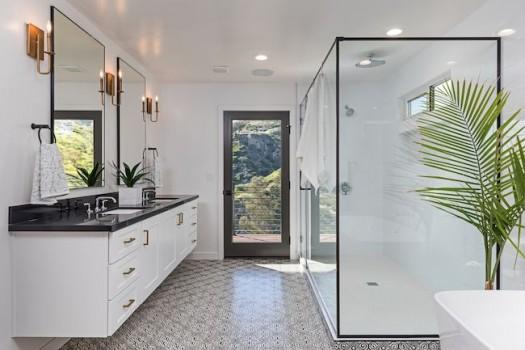
If you’re planning to sell your house by owner, here are some of the best renovations to do before selling.